When all else fails, read the guidance from the FAA:
14 CFR 91.319
§ 91.319 Aircraft having experimental
certificates:
(d) Each person operating an aircraft
that has an experimental certificate
shall—
(1) Advise each person carried of the
experimental nature of the aircraft;
(2) Operate under VFR, day only, unless
otherwise specifically authorized
by the Administrator; and
(3) Notify the control tower of the experimental
nature of the aircraft when
operating the aircraft into or out of
airports with operating control towers.
Aeronautical Information Manual:
4−2−4. Aircraft Call Signs
a. Precautions in the Use of Call Signs.
1. Improper use of call signs can result in pilots
executing a clearance intended for another aircraft.
Call signs should never be abbreviated on an initial
contact or at any time when other aircraft call signs
have similar numbers/sounds or identical letters/
number; e.g., Cessna 6132F, Cessna 1622F,
Baron 123F, Cherokee 7732F, etc.
3. Civil aircraft pilots should state the aircraft
type, model or manufacturer’s name, followed by the
digits/letters of the registration number. When the
aircraft manufacturer’s name or model is stated, the
prefix “N†is dropped; e.g., Aztec Two Four Six Four
Alpha.
EXAMPLE−
1. Bonanza Six Five Five Golf.
2. Breezy Six One Three Romeo Experimental (omit
“Experimental†after initial contact).
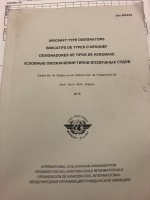
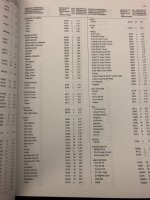
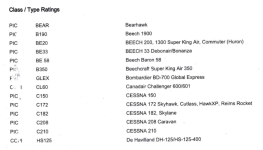
See attached excerpt fro FAAO 7360.1B Aircraft Type Designators.
SO, this is what the book says:
On initial contact with an operating control tower, it should be "Kenai Tower, Bearhawk Niner-Zero-Seven Papa Mike Experimental is ten miles north inbound for landing with Delta (ATIS)"
Subsequent contacts could be "Bearhawk Seven Papa Mike"
Calling traffic using a CTAF on initial call and subsequent calls omit "Experimental" entirely. Example:
"Soldotna area traffic, Bearhawk Niner-Zero-Seven Papa Mike is five miles southeast, on a 45 to enter right traffic for runway seven"
"Soldotna area traffic, Bearhawk Seven Papa Mike is turning final for runway seven".