When I built our first plane I spent a lot of time scrounging for parts because I didn't have much money. There is no way I would get into this hobby today if I was making the money I did back then, and honestly I'm not sure I'd get into it now even making 10 times as much. If you are sure the spec is right, then theoretically it shouldn't matter where you get supplies. Naturally the problem is that we aren't always sure the spec is right.
Risk is likelihood x consequence. We can reduce our risk by focusing on the high likelihood and high consequence items. For example, the race car supply chain is rich with AN-style fittings. You can tell by holding them in your hand that many of these fittings are not the same as the ones you get at Spruce. I use a single fitting where the fuel line passes through the firewall. We know how it's going to go if that fitting breaks- let's just say it's high consequence. I reduce risk by using a steel fitting there, and by sourcing from an aircraft supply chain, or at least by ensuring that it looks and feels like a genuine part. If you have held enough of the fittings to feel like you can make that assessment, then that gives you some potential supply chain flexibility. In this case I'm mitigating the high consequence by hopefully lowering the likelihood. Spruce could theoretically end up with counterfeit parts, and at times I'm sure they have, but they are accustomed to dealing with safety-critical parts and I think they are more supply chain aware. If I'm sourcing from a place that is less worried about origin, then I know I'm taking on some extra risk there.
I also like the Pegasus brake lines, and I consider them to be a reputable place. I would trust their lines above those that I would make by myself, because I don't have any way to pressure test them. I have sourced non-aviation race fittings at times because there is no aviation fitting that does the job. Buying AN bolts from them is moot in my experience, because Spruce is usually cheaper. In all cases that I can think of, nutplates are a really low consequence item, with very wide swings in price. If one fails, it's probably a maintenance hours cost and not a loss of life cost. I think there is also not really a supply chain for spec-looking nutplates, unlike the rich supply chain for spec-looking AN fittings. So if I saw a bag of 100 on ebay and the price was a lot less, I'd buy them, inspect them, and use them unless they looked at all questionable.
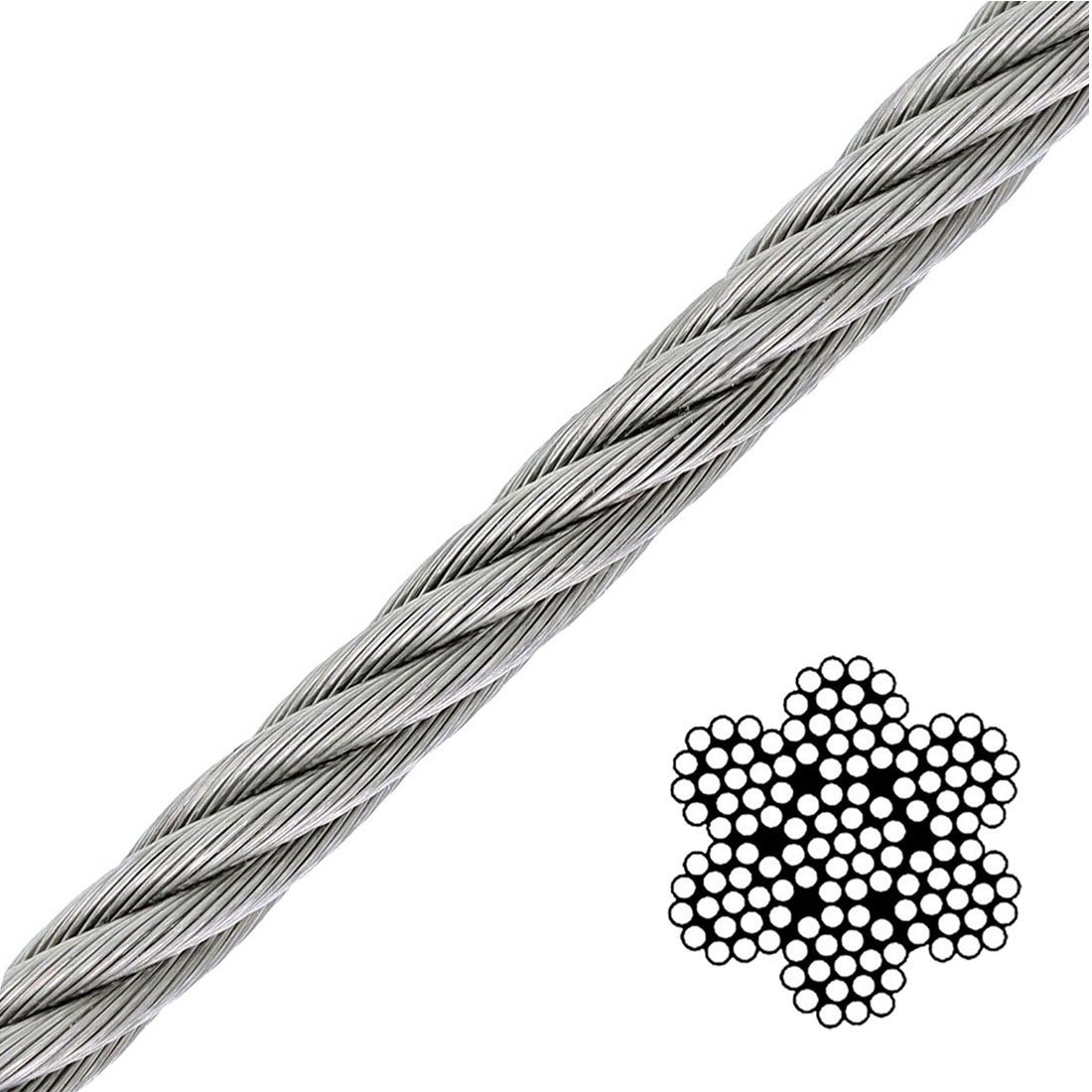
For control cable, the consequence is high, but you can test them. Make up a short piece and see how many pounds it takes to break it, and where it breaks. As a bonus, you'll also be testing your termination technique. Just be sure it is exactly the same cable, because there are a lot of products that are 1/8" steel cable but many different strand configurations and lubricants.
For electrical wire, I only use stamped mil-spec wire and name-brand PIDG crimp terminials for anything 10 and below (or mil-spec pins in those instances). I use welding cables for the larger sizes because I think they are superior to aviation wire for their flexibility. The risk of insulation burning (consequence) is always a possibility, but by having a more flexible cable, I believe I can build a more robust system and reduce the likelihood of a problem. So in that case the better product is cheaper, but I'd still use it even if it was more expensive.
The final thought is the time factor. Back when I purchased the transponder for our first plane, I spent years watching ebay auctions and VAF listings. Even if that time was only worth a dollar an hour, that was probably a $3000 transponder by the time I got it. It depends on how much you enjoy spending your time shopping for a good deal, but it's easy to waste a lot of time that could be used doing other things.


 www.pegasusautoracing.com
 www.riggingwarehouse.com


