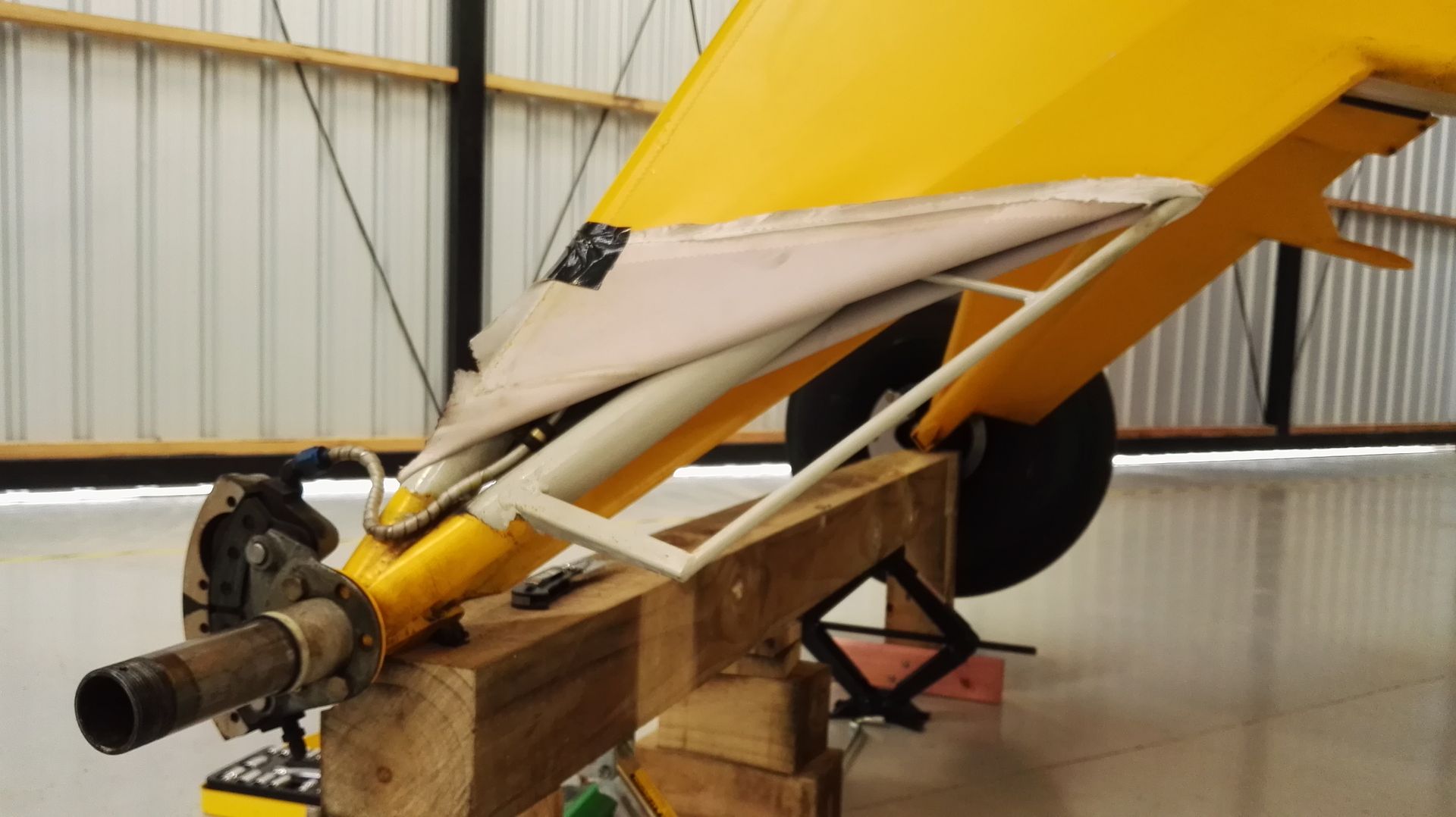
After spending hours researching this topic on line (research includes vansairforce.com) I came back around to what the recent Breatracks article outlined except for making my own flexible hoses using Areoquip 303-4 on the Pressure side of the Master Cylinders. Whee, I am interested in hearing the results of your research and details of your choice of Hoses, and Summit Racing's product offerings.
When I draw a conclusion, I keep an open mind and an eye out for improvement ideas, because I know they exist. So, I am interested in Whee's Choice. He researches things in depth, and draws good conclusions.
Why I rejected the Racing Products was because the Aeroquip 303 hose is an approved industry standard, I can make them myself in the shop with inexpensive tooling, and doing so saved enough money to provide a large enough reward over having an unapproved, but maybe superior stainless branded PTFE hose. I choose to use Rigid Line where the Article suggest because of its weight, cost, durability, and I think ease of fabrication. Most Flex hose I saw had a 5 year shelf life.
I also was aware that our AN fittings are Aluminum, and I have concerns about dis-similar metal corrosion with fittings that are non approved and non-aluminum. But, the Areoquip fitting are not aluminum, so I am inconsistent. I decided that if they are an FAA approved industry standard, then I will turn my head and pretend it will be ok.
As for the light weight plastic hose that Vans uses, I may use a plastic hose product with brass compression fittings for the flexible line that goes from the firewall to the Master Cylinders if I cannot use a reservoir at the Master Cylinder. I have concern over the space available between the rudder pedals and firewall.
I also think the right plastic line has merit on the pressure side, but will require more attention to maintaining, and periodic hose replacement. Lots of Van's Builders have reported poor service results form using the plastic. Consider using fittings that are not plastic.