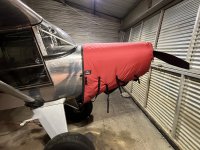
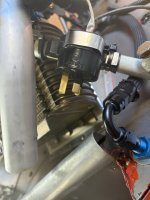
Another data point here - I got an engine cover made with a synthetic duvet sewn inside. This is used with plugs in the boot cowl tunnel and cowl intake, underneath the cover, to trap the air inside the cowl. We've proven it's great alternative to an engine heater for overnight trips, in many ways it's superior to a heater in a backcountry environment. Of course, an engine cover plus a heater would be the ultimate solution.
For example:
On a winter night of about -5*C (20*F) the engine would normally cool to the same ambient temperature as the air. The oil and engine block would be below freezing temperature.
With the cover installed, the engine stays around 15 to 20*C (60 to 70*F) and it starts like a hot summers day.
Here's a comparison for discussion.
Engine cover for backcountry use:
Advantages:
- keeps the engine warm for 24hrs in freezing temperatures, or longer if the days are hot
- quick and easy to use
- no risks
- also protects paint, decals, etc. from wear and UV damage
Disadvantages:
- bulky
- may requires drying after use
Portable engine heater for backcountry use (i.e. fuel, battery, or electric heater)
:
Advantages:
- warms up the engine from cold
Disadvantages:
- takes a lot of time to use
- complex, can fail
- fire risk
- may be bulky depending on the one you choose
- may have permanently installed components
For multi-day trips in constantly cold temperatures, where the aircraft is left sitting outside while you're away, an engine cover plus a heater is the ultimate solution. No doubt about that.
Sorry about the bad light for photography, photo of cover installed. It attaches to the cockpit cover with a zip.


 I gave him the link to the Anti-Splat heater and he ordered one before they sold out. Looks like a very good item. There is a long thread about it with many questions answered by Allen from Anti-Splate over on the Vans forum.