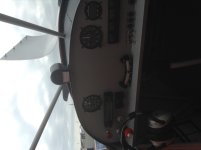
Wayne, thanks, that's what I've been looking for. Here Bob answers the right questions, unlike the video on youtube that was done at Oshkosh. He covered everything that I had on my mind and more, so sold me. For others that want to go directly to the video that Wayne recommended this will take you right to it:
http://www.eaavideo.org/video.aspx?v=3418272292001
For those that that don’t want have time for it, here is the reasons he went with this airfoil and why no flaps, but anyone with any interest in this plane at all, should make time to watch all of it. A little more info on the airfoil:
The airfoil is a Ribblet 30-6135.
The 30 is for the series of airfoil
The 6 is 6% camber
The 135 is 13.5% thickness
For flaps, Bob addresses a lot of ground here of why there are not used. Points primarily are:
Flaps would cause interference drag whet the flap meets the wing. Add another 20lbs. More complex and time consuming.
He said this plane was designed to be a slipper. He gave it plenty of rudder, and with the 6% camber on the wing, when you get it down, you’ll get the drag you need down low, and with tip losses and induced drag, you’ll be down plenty quick. The guy he took a ride in obviously was impressed with how quick and short of an area Bob needed, and must have sold him on the idea because he was ready to trade in his other popular plane and start on this one, but he was already further along with it. He said he wished he had known about this plane earlier.
That video covers a lot more of area in detail that was just for those two things I was most curious about. He said Harry Ribblet has often consulted him, advising him what he thought would be best, and he obviously took a lot of his suggestions.
This plane suits me just fine because I do just want something more simple, and a gas sipper that can chug along at 4gph sipping auto gas by choosing the right engine.
Wayne, thanks again,
John