

 Tweet
Tweet
Hey All...
I have read multiple articles about cold weather flying in other forums, but I'd like to know what has been effective for the Bearhawk.
It has been very cold lately, compared to other years. Temps haven't been much above -18C/0F for a number of weeks now, the coldest was this morning. It was -31C/-24F...BRRRRR! But, the weather is crystal clear and it's killing me to sit and wait for some warmer temps. Last time I went flying it was -12C/10F. My oil temp never went above 167F and CHTs were all in the very low 300s, with the power pulled back they were in the high 200s.
In general, my personal minimums for "unplanned landing" events is an OAT of 0F. Any colder than that, coupled with the possibility of injury, trying to survive doesn't sound too appealing. Also, if there is any wind at all at the airport, just getting the airplane ready is a real chore. The EZ-Heat engine oil pan heater works great, so does the cockpit heater. On a positive note my cabin heater works great and things stay warm inside, in spite of some air leaks. Those aviation pioneers flying open-cockpit biplanes in Alaska 100 years ago had to have been tough as nails. Ok, so that's the me being a weenie part.
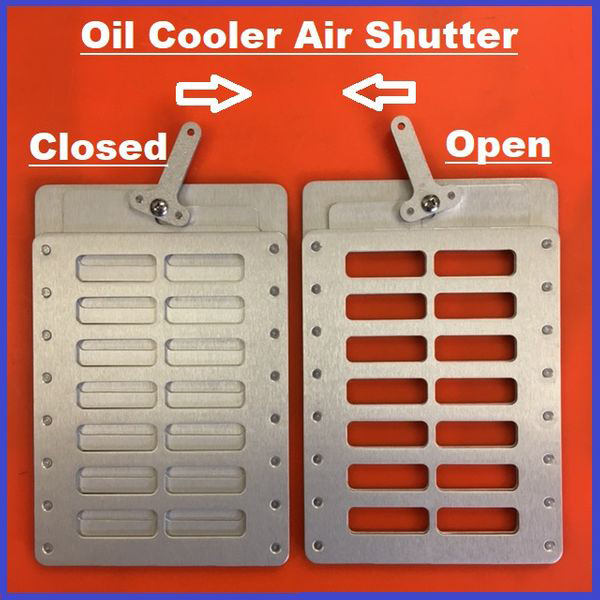
What have others done to help the engine stay warm? Our Civil Air Patrol C172 has a winter kit, essentially two plastic baffles that close off the inside half of the left and right nosebowl inlets. If I remember right the cutoff temp for them being installed is a max OAT of 20F. My oil cooler is mounted on the firewall, pilots side, with a 4in scat tube running from the back of the baffling at #6 cylinder.
Any input is welcome!
I have read multiple articles about cold weather flying in other forums, but I'd like to know what has been effective for the Bearhawk.
It has been very cold lately, compared to other years. Temps haven't been much above -18C/0F for a number of weeks now, the coldest was this morning. It was -31C/-24F...BRRRRR! But, the weather is crystal clear and it's killing me to sit and wait for some warmer temps. Last time I went flying it was -12C/10F. My oil temp never went above 167F and CHTs were all in the very low 300s, with the power pulled back they were in the high 200s.
In general, my personal minimums for "unplanned landing" events is an OAT of 0F. Any colder than that, coupled with the possibility of injury, trying to survive doesn't sound too appealing. Also, if there is any wind at all at the airport, just getting the airplane ready is a real chore. The EZ-Heat engine oil pan heater works great, so does the cockpit heater. On a positive note my cabin heater works great and things stay warm inside, in spite of some air leaks. Those aviation pioneers flying open-cockpit biplanes in Alaska 100 years ago had to have been tough as nails. Ok, so that's the me being a weenie part.
What have others done to help the engine stay warm? Our Civil Air Patrol C172 has a winter kit, essentially two plastic baffles that close off the inside half of the left and right nosebowl inlets. If I remember right the cutoff temp for them being installed is a max OAT of 20F. My oil cooler is mounted on the firewall, pilots side, with a 4in scat tube running from the back of the baffling at #6 cylinder.
Any input is welcome!


Comment