

-
My screws are 4" apart. Maybe I will stick with what I have. -
I have used both 025 and 032, about 1/2 inch wide and 2 inch spacing -
How thick did you make the strips? I made mine out of .040 yesterday but I may upsize them to .063 or .080 to spread the load a little better. -
I have had good luck using 1/8 all alum pull rivets and with an alum strip over the lexan. I enlarge the hole in the lexan to 3/16 and bevel both sides of the hole. I did buy a couple of the special drill bits for plastic that are supposed to prevent damage when drilling. -
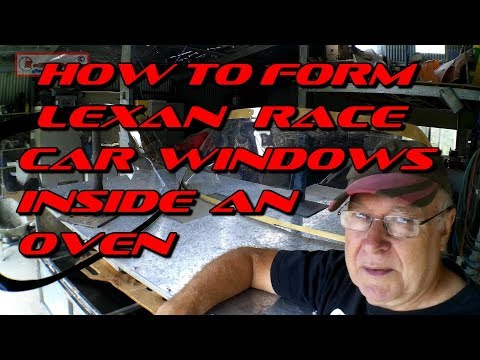
This is a video of a do it yourself oven forming
lexan and acrylic...quite a bit to the process...but it can be done
Leave a comment:
-
fuel, isopropyl alcohol, surface cleaners and degreasers... also, acrylic is pretty damn awesome optically, and is far MORE resistant to scratching, but does not come close to polycarbonate for impact resistance. If your skylight suddenly became a sunroof would you be as cool as a key lime pilot? Last edited by quadra; 06-06-2021, 01:35 PM.
Leave a comment:
-
Well, I would say that Acrylic appears to be less sensitive to common aviation and automotive chemicals than Lexan, because there's not much which hasn't been sprayed or spilt on our windows by this point
Leave a comment:
-
the list of incompatible chemicals with those plastics is actually very large... petrochemicals, most solvents, and a whole bunch of chemicals that are easily available and used as bases in cleaners will cause stress cracks. These plastics are very notch sensitive and any cracks, holes or small radius corners are where you will create failure. In my workplace we have had serious failures from loctite attacking a variety of plastics, and chemicals like isocyanyurate ( superglue ) and its accelerator (liquid isobutyl compounds ) causing instant stress hazing and material failure- cracks that can propagate deeply into a section and cause it to fail with limited load.
BUT!!... that is also less common now days as suppliers and end users are following the manufacturers specs. these materials are light,strong ,durable and impact resistant but need to be treated with care.Leave a comment:
-
Loctite will definitely cause cracks in polycarbonate even when just on the threads and not on the poly. Same goes for acrylic.Originally posted by Nev View PostLeave a comment:
-
I have seen pop rivets on lexan covered doors and windows, with and without metal strips over them. I don't know if the rivets were AL or steel. I might try it on some scrap first.Leave a comment:
-
Hi Nev, the cracks around the holes originate mostly from using a sharp drill bit, You make the cutting edges blunt and round the sharp corners and then you can say, burn the holes through, you also have to make them at least 1,5mm larger than your screw. Thats info I got from a aircraft window manufacturer and it worked when I replaced all the windows of a friends airplane.Leave a comment:

Leave a comment: